What I read in 2025
Who needs a gym membership when your library card is getting such a thorough workout?

ProgressiveProgressive overload is a concept in the field of strength training that suggests steadily and continuously ramping up the stress on your muscles. This year, as I sought to spend more time offline, I inadvertently applied the concept to reading: Why grab one book per library visit when I could read two? Or three? Or … Look, things escalated.
The result: I read lots of books — almost all of them good. (One might also argue that this was strength training seeing as I had to schlepp more and more books home from the library.)
There are surely thematic concerns that can be inferred from this list, though much of the sequencing is a function of when hold requests came in. The only conclusion that I endorse, however, is that it’s a gift to live in a city with many good libraries.
- Stasiland: Stories from Behind the Berlin Wallby Anna Funder
- A Twist in the Tail: How the Humble Anchovy Flavoured Western Cuisineby Christopher Beckman
- The Pursuit of Italy: A History of a Land, Its Regions and Their Peoplesby David Gilmour
- Lurking: How a Person Became a Userby Joanne McNeil
- The Rebel's Clinic: The Revolutionary Lives of Frantz Fanonby Adam Shatz
- La responsabilité des intellectuels: Blum, Camus, Aronby Tony Judt
- The Mismeasure of Manby Stephen Jay Gould
- Empireland: How Imperialism Has Shaped Modern Britainby Sathnam Sanghera
- Bright-sided: How Positive Thinking is Undermining Americaby Barbara Ehrenreich
- The Deficit Myth: Modern Monetary Theory and the Birth of the People's Economyby Stephanie Kelton
- The Zone: An Alternative History of Parisby Justinien Tribillon
- Get the Picture: A Mind-Bending Journey among the Inspired Artists and Obsessive Art Fiends Who Taught Me How to Seeby Bianca Bosker
- Khomeinism: Essays on the Islamic Republicby Ervand Abrahamian
- Highbrow/Lowbrow: The Emergence of Cultural Hierarchy in Americaby Lawrence Levine
- Producing power: The pre-Chernobyl history of the Soviet nuclear industryby Sonja Schmid
- Venture Labor: Work and the Burden of Risk in Innovative Industriesby Gina Neff
- An Economic History of the USSR: 1917-1991by Alec Nove
- The Big Con: How the Consulting Industry Weakens Our Businesses, Infantilizes Our Governments, and Warps Our Economiesby Mariana Mazzucato and Rosie Collington
- Dead Reckoning: Air Traffic Control, System Effects, and Riskby Diane Vaughan
- Empire of Pain: The Secret History of the Sackler Dynastyby Patrick Radden Keefe
- For a Dollar and a Dream: State Lotteries in Modern Americaby Jonathan Cohen
- The Great Stewardess Rebellion: How Women Launched a Workplace Revolution at 30,000 Feetby Nell McShane Wulfhart
- Strangers to Ourselves: Unsettled Minds and the Stories That Make Usby Rachel Aviv
- Fair Play: How Sports Shape the Gender Debateby Katie Barnes
- How Green Became Good: Urbanized Nature and the Making of Cities and Citizensby Hillary Angelo
- Kicking Away the Ladder: Development Strategy in Historical Perspectiveby Ha-Joon Chang
- How Institutions Thinkby Mary Douglas
- Ordures!: Journal d'un vidangeurby Simon Paré-Poupart
- Mood Machine: The Rise of Spotify and the Costs of the Perfect Playlistby Liz Pelly
- Black Power, Jewish Politics: Reinventing the Alliance in the 1960sby Marc Dollinger
- Meir Kahane: The Public Life and Political Thought of an American Jewish Radicalby Shaul Magid
- Plutopia: Nuclear Families, Atomic Cities, and the Great Soviet and American Plutonium Disastersby Kate Brown
- Remaking Berlin: A History of the City Through Infrastructure, 1920-2020by Timothy Moss
- Beyond the Wall: A History of East Germanyby Katja Hoyer
- A Century of Tomorrows: How Imagining the Future Shapes the Presentby Glenn Adamson
- Architecture de la contre-révolution: L’armée française dans le nord de l’Algérieby Samia Henni
- Never Saw It Coming: Cultural Challenges to Envisioning the Worstby Karen A. Cerulo
- The Coinby Yasmin Zaher
- Dust: The Modern World in a Trillion Particlesby Jay Owens
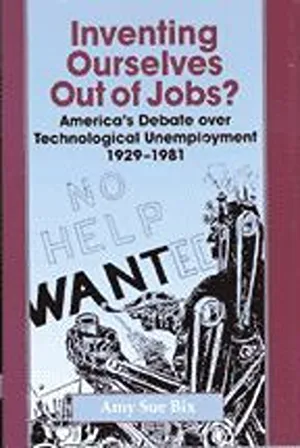
- Inventing Ourselves Out of Jobs?: America's Debate over Technological Unemployment, 1929-1981by Amy Bix
- Risk Society: Towards a New Modernityby Ulrich Beck
- Ethel Rosenberg: An American Tragedyby Anne Sebba
- The World After Gaza: A Historyby Pankaj Mishra
- One Day, Everyone Will Have Always Been Against Thisby Omar El Akkad
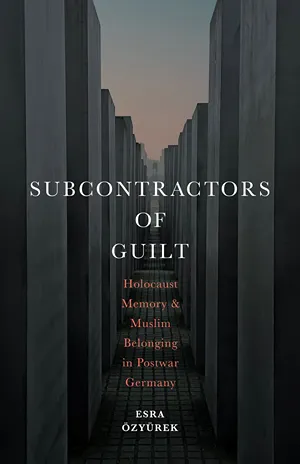
- Subcontractors of Guilt: Holocaust Memory and Muslim Belonging in Postwar Germanyby Esra Özyürek
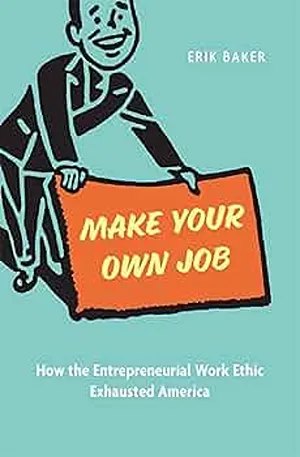
- Make Your Own Job: How the Entrepreneurial Work Ethic Exhausted Americaby Erik Baker
- Who's Afraid of Gender?by Judith Butler
- Enter Ghostby Isabella Hammad
- Failureby Arjun Appadurai and Neta Alexander
- How Judaism Became a Religion: An Introduction to Modern Jewish Thoughtby Leora Batnitzky
- They Can't Kill Us Until They Kill Usby Hanif Abdurraqib
- L'état providenceby François Ewald
- Voices from Chernobylby Svetlana Alexievich
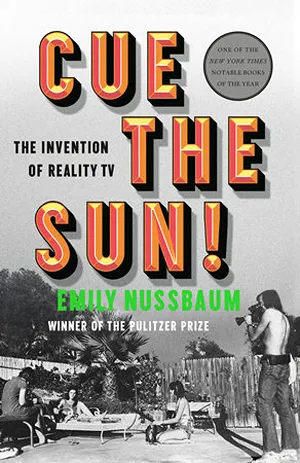
- Cue the Sun! The Invention of Reality TVby Emily Nussbaum
- Nothing to Envy: Ordinary Lives in North Koreaby Barbara Demick
- Défense du secretby Anne Dufourmantelle
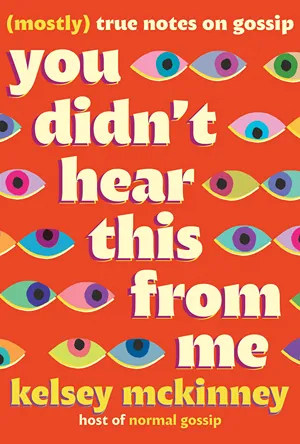
- You Didn't Hear This From Me: (Mostly) True Notes on Gossipby Kelsey McKinney
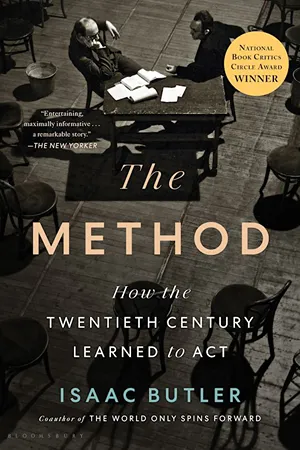
- The Method: How the Twentieth Century Learned to Actby Isaac Butler
- Meet Me by the Fountain: An Inside History of the Mallby Alexandra Lange
- Architecture: From Prehistory to Climate Emergencyby Barnabas Calder
- Hyperobjects: Philosophy and Ecology after the End of the Worldby Timothy Morton
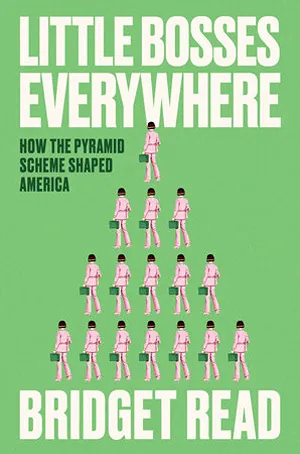
- Little Bosses Everywhere: How the Pyramid Scheme Shaped Americaby Bridget Read
- Ultramarinsby Mariette Navaro
- Blood in the Machine: The Origins of the Rebellion Against Big Techby Brian Merchant
- Seven Yearsby Peter Stamm
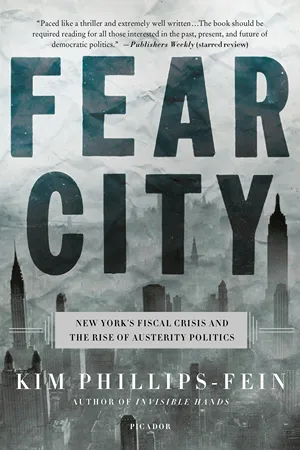
- Fear City: New York's Fiscal Crisis and the Rise of Austerity Politicsby Kim Phillips-Fein
- The Mushroom at the End of the World: On the Possibility of Life in Capitalist Ruinsby Anna Lowenhaupt Tsing
- The Container Principle: How a Box Changes the Way We Thinkby Alexander Klose
- Perfect Victims: And the Politics of Appealby Mohammed El-Kurd
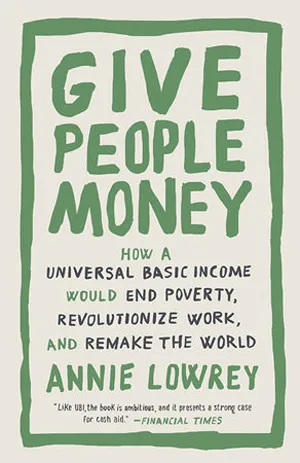
- Give People Money: How a Universal Basic Income Would End Poverty, Revolutionize Work, and Remake the Worldby Annie Lowrey
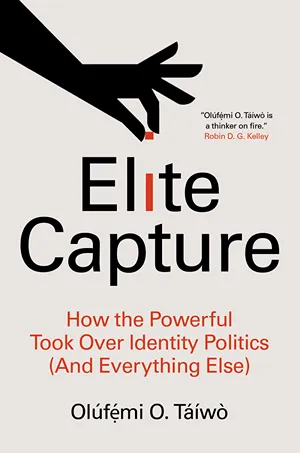
- Elite Capture: How the Powerful Took Over Identity Politics (And Everything Else)by Olúfẹ́mi O. Táíwò
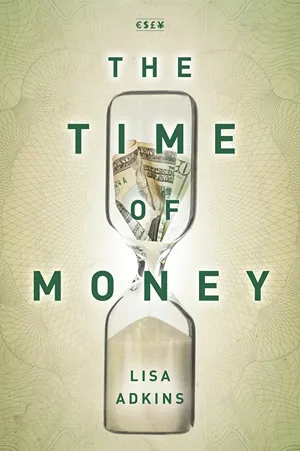
- The Time of Moneyby Lisa Adkins
- Behemoth: A History of the Factory and the Making of the Modern Worldby Joshua B. Freeman
- Ghost Work: How to Stop Silicon Valley from Building a New Global Underclassby Mary L. Gray and Siddharth Suri
- A Shameful Act: The Armenian Genocide and the Question of Turkish Responsibilityby Taner Akçam
- Hiver à Sokchoby Elisa Shua Dusapin
- Career and Family: Women’s Century-Long Journey toward Equityby Claudia Goldin
- Exorbitant Privilege: The Rise and Fall of the Dollar and the Future of the International Monetary Systemby Barry Eichengreen
- Kairosby Jenny Erpenbeck
- Uncommon Wealth: Britain and the Aftermath of Empireby Kojo Karam
- Black in Blues: How a Color Tells the Story of My Peopleby Imani Perry
- Don't Build, Rebuild: The Case for Imaginative Reuse in Architectureby Aaron Betsky
- Help Wantedby Adelle Waldman
- Chip War: The Fight for the World's Most Critical Technologyby Chris Miller
- In the Wake: On Blackness and Beingby Christina Sharpe
- The Invention of the Restaurant: Paris and Modern Gastronomic Cultureby Rebecca L. Spang
- Reimagining Money: Kenya in the Digital Finance Revolutionby Sibel Kusimba
- Secondhand Time: The Last of the Sovietsby Svetlana Alexievich
- The Palestine Laboratory: How Israel Exports the Technology of Occupation Around the Worldby Antony Loewenstein
- On Breathing: Care in a Time of Catastropheby Jamieson Webster
- The Factoryby Hiroko Oyamada
- The High Cost of Free Parkingby Donald Shoup
- Fool's Gold: The Inside Story of J.P. Morgan and How Wall St. Greed Corrupted Its Bold Dream and Created a Financial Catastropheby Gillian Tett
- The Curse of Bigness: Antitrust in the New Gilded Ageby Tim Wu
- Homeland: The War on Terror in American Lifeby Richard Beck
- The Disaster Touristby Yun Ko-eun
- Selected Writings on Race and Differenceby Stuart Hall
- The Hidden Globe: How Wealth Hacks the Worldby Atossa Araxia Abrahamian
- Playing the Whore:The Work of Sex Workby Melissa Gira Grant
- The Politics of Pain: Postwar England and the Rise of Nationalismby Fintan O'Toole
- If We Burn: The Mass Protest Decade and the Missing Revolutionby Vincent Bevins
- Le défi américainby Jean-Jacques Servan-Schreiber
- How Infrastructure Works: Inside the Systems That Shape Our Worldby Deb Chachra
- Superior: The Return of Race Scienceby Angela Saini
- Human Capital: A History of Putting Refugees to Workby Laura Robson
- Red Scare: Blacklists, McCarthyism, and the Making of Modern Americaby Clay Risen
- Sauver la ville: Projet Montréal et le défi de transformer une métropole moderneby Daniel Sanger
- How to Blow Up a Pipeline: Learning to Fight in a World on Fireby Andreas Malm
- Justice in Lüritz: Experiencing Socialist Law in East Germanyby Inga Markovits
- Out of Stock: The Warehouse in the History of Capitalismby Dara Orenstein
- The Shenzhen Experiment: The Story of China’s Instant Cityby Juan Du
- Stuff and Money in the Time of the French Revolutionby Rebecca L. Spang
- Austerity: The History of a Dangerous Ideaby Mark Blyth
- Captive Audience: The Telecom Industry and Monopoly Power in the New Gilded Ageby Susan Crawford
- The Hammer: Power, Inequality, and the Struggle for the Soul of Laborby Hamilton Nolan
- Abolish Rent: How Tenants Can End the Housing Crisisby Tracy Rosenthal and Leonardo Vilchis
- Default: The Landmark Court Battle over Argentina's $100 Billion Debt Restructuringby Greg Makoff
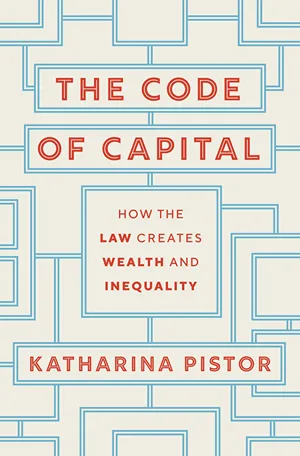
- The Code of Capital: How the Law Creates Wealth and Inequalityby Katharina Pistor
- Empire of AI: Dreams and Nightmares in Sam Altman's OpenAIby Karen Hao
- Disposable: America's Contempt for the Underclassby Sarah Jones
- The Story of Upfront Carbon: How a Life of Just Enough Offers a Way Out of the Climate Crisisby Lloyd Alter
- Snitching: Criminal Informants and the Erosion of American Justiceby Alexandra Natapoff
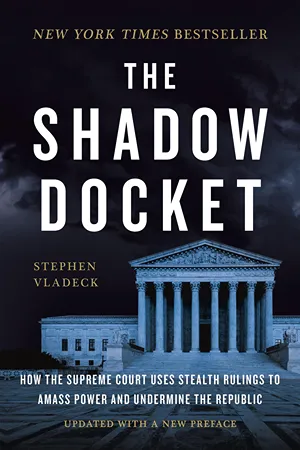
- The Shadow Docket: How the Supreme Court Uses Stealth Rulings to Amass Power and Undermine the Republicby Steve Vladeck
- Privacyby Garret Keizer
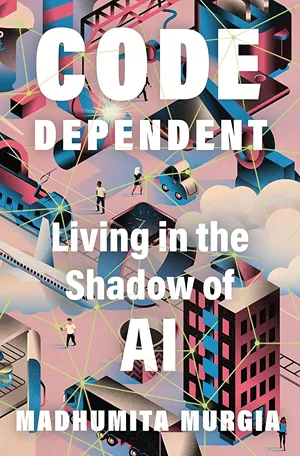
- Code Dependent: Living in the Shadow of AIby Madhumita Murgia
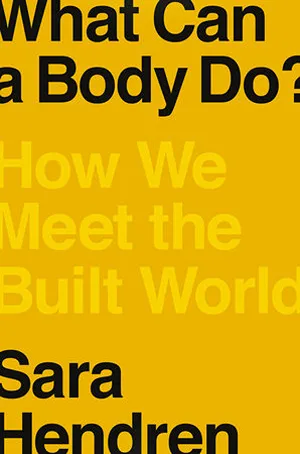
- What Can a Body Do?: How We Meet the Built Worldby Sara Hendren
- Decarcerating Disability: Deinstitutionalization and Prison Abolitionby Liat Ben-Moshe
- Money Men: A Hot Startup, a Billion Dollar Fraud, a Fight for the Truthby Dan McCrum
- Privatopia: Homeowner Associations and the Rise of Residential Private Governmentby Evan McKenzie
- Road to Nowhere: What Silicon Valley Gets Wrong about the Future of Transportationby Paris Marx
- Everything Is Predictable: How Bayesian Statistics Explain Our Worldby Tom Chivers
- Your Face Belongs to Us: A Secretive Startup's Quest to End Privacy as We Know Itby Kashmir Hill
- From Front Porch to Back Seat: Courtship in Twentieth-Century Americaby Beth L. Bailey
- Dead Pledges: Debt, Crisis, and Twenty-First-Century Cultureby Annie McClanahan
- Taking the Soviet Union Apart Room by Room: Domestic Architecture before and after 1991by Kateryna Malaia
- The Rise of Corporate Feminism: Women in the American Office, 1960–1990by Allison Elias
- Then We Came to the Endby Joshua Ferris
- Crashed: How a Decade of Financial Crises Changed the Worldby Adam Tooze
- The Code: Silicon Valley and the Remaking of Americaby Margaret O'Mara
- The Social Safety Net (Canada in Decline Book One)by Nora Loreto
- The Cancel Culture Panic: How an American Obsession Went Globalby Adrian Daub
- Dark Side of the Boom: The Excesses of the Art Market in the 21st Centuryby Georgina Adam
- Billion Dollar Whale: The Man Who Fooled Wall Street, Hollywood, and the Worldby Tom Wright and Bradley Hope
- Meet Me at the Library: A Place to Foster Social Connection and Promote Democracyby Shamichael Hallman
- Accessible America: A History of Disability and Designby Bess Williamson
- The Hearing Testby Eliza Barry Callahan
- Sinews of War and Trade:Shipping and Capitalism in the Arabian Peninsulaby Laleh Khalili
- License to Spill: Where Dry Devices Meet Liquid Livesby Rachel Plotnick
- Messy Cities: Why We Can't Plan Everythingby Dylan Reid, Zahra Ebrahim, Leslie Woo, and John Lorinc (eds.)
- El Mall: The Spatial and Class Politics of Shopping Malls in Latin Americaby Arlene Dávila
- How the Railways Will Fix the Futureby Gareth Dennis
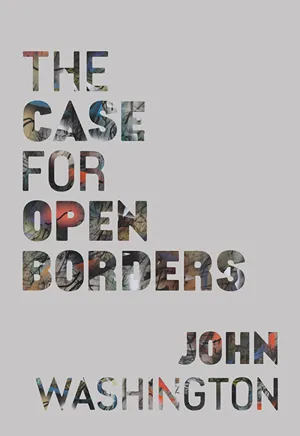
- The Case for Open Bordersby John Washington
- Slouch: Posture Panic in Modern Americaby Beth Linker
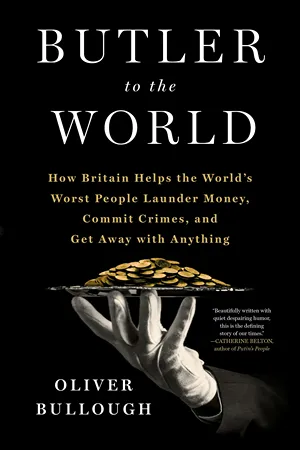
- Butler to the World: How Britain Became the Servant of Tycoons, Tax Dodgers, Kleptocrats and Criminalsby Oliver Bullough
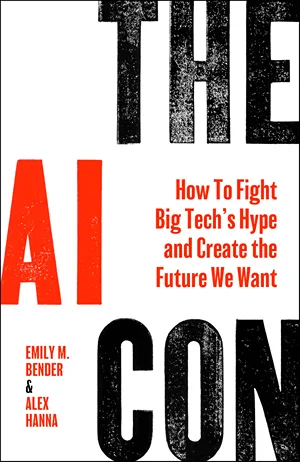
- The AI Con: How to Fight Big Tech’s Hype and Create the Future We Wantby Alex Hanna and Emily M. Bender
- More Everything Forever: AI Overlords, Space Empires, and Silicon Valley's Crusade to Control the Fate of Humanityby Adam Becker
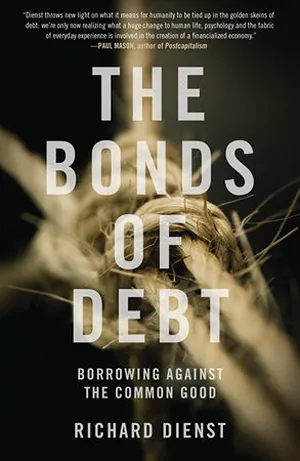
- The Bonds of Debt:Borrowing Against the Common Goodby Richard Dienst
- Justice for Some: Law and the Question of Palestineby Noura Erakat
- The Light of Dayby Eric Ambler
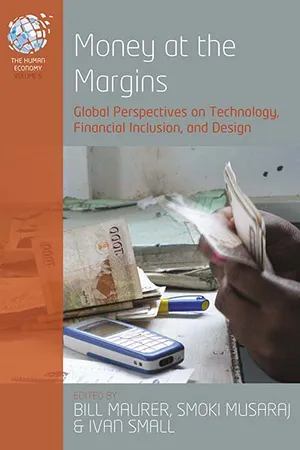
- Money at the Margins: Global Perspectives on Technology, Financial Inclusion, and Designby Bill Maurer, Smoki Musaraj, and Ivan V. Small (eds.)
- Border and Rule: Global Migration, Capitalism, and the Rise of Racist Nationalismby Harsha Walia
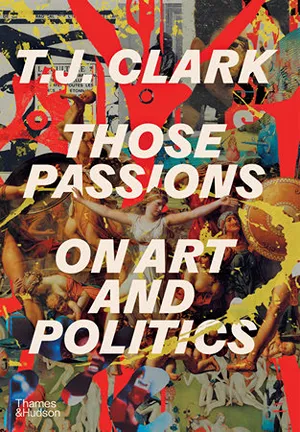
- Those Passions: On Art and Politicsby T.J. Clark
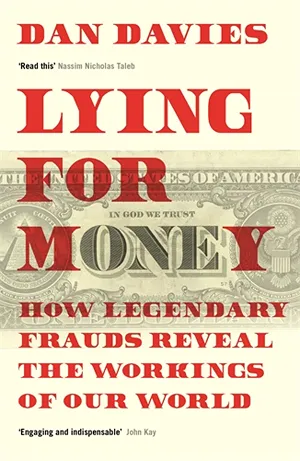
- Lying for Money: How Legendary Frauds Reveal the Workings of the Worldby Dan Davies
- Karla's Choiceby Nick Harkaway
- East West Street: On the Origins of Genocide and Crimes Against Humanityby Philippe Sands
- The Cosmopolites: The Coming of the Global Citizenby Atossa Araxia Abrahamian
- Cold War Civil Rights: Race and the Image of American Democracyby Mary L. Dudziak
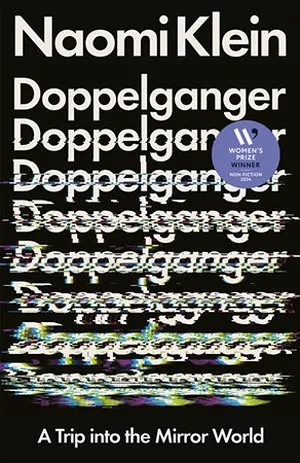
- Doppelganger: A Trip into the Mirror Worldby Naomi Klein
- Bad Company: Private Equity and the Death of the American Dreamby Megan Greenwell
- The New Lifeby Tom Crewe
- Palaces for the People: How Social Infrastructure Can Help Fight Inequality, Polarization, and the Decline of Civic Lifeby Eric Klinenberg
- This Strange Eventful Historyby Claire Messud
- Policing the Open Road: How Cars Transformed American Freedomby Sarah A. Seo
- Impure Science: AIDS, Activism, and the Politics of Knowledgeby Steven Epstein
- Shadow Courts: The Tribunals that Rule Global Tradeby Haley Sweetland Edwards
- Why Flying Is Miserable: And How to Fix Itby Ganesh Sitaraman
- GDP: A Brief But Affectionate Historyby Diane Coyle
- Never Silent: ACT UP and My Life in Activismby Peter Staley
- Being Jewish After the Destruction of Gaza: A Reckoningby Peter Beinart
- Rivals: How Scientists Learned to Cooperateby Lorraine Daston
- Forbidden Signs: American Culture and the Campaign against Sign Languageby Douglas Baynton
- We Want to Negotiate: The Secret World of Kidnapping, Hostages and Ransomby Joel Simon
- Chronicle of a Last Summer: A Novel of Egyptby Yasmine El Rashidi
- Neither Settler nor Native: The Making and Unmaking of Permanent Minoritiesby Mahmood Mamdani
- Bring the House Downby Charlotte Runcie
- Tokens: The Future of Money in the Age of the Platformby Rachel O'Dwyer
- In Light of Indiaby Octavio Paz
- The Value of Everything: Making and Taking in the Global Economyby Mariana Mazzucato
- Our Lives in Their Portfolios:Why Asset Managers Own the Worldby Brett Christophers
- Moderationby Elaine Castillo
- All Consuming: Why We Eat the Way We Eat Nowby Ruby Tandoh
- Seeing Like a State: How Certain Schemes to Improve the Human Condition Have Failedby James C. Scott
- How Music Got Free: The End of an Industry, the Turn of the Century, and the Patient Zero of Piracyby Stephen Witt
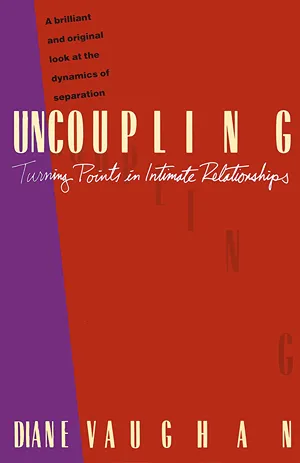
- Uncoupling: Turning Points in Intimate Relationshipsby Diane Vaughan
- All She was Worthby Miyuki Miyabe
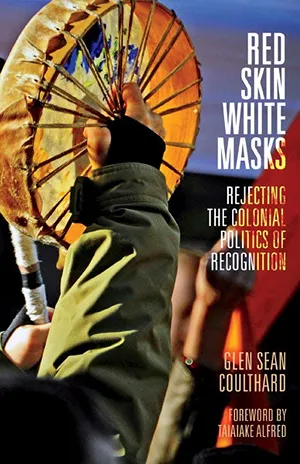
- Red Skin, White Masks: Rejecting the Colonial Politics of Recognitionby Glen Sean Coulthard
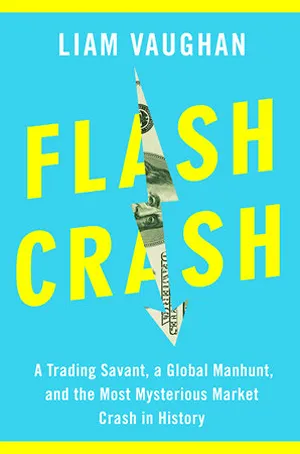
- Flash Crash: A Trading Savant, a Global Manhunt, and the Most Mysterious Market Crash in Historyby Liam Vaughan
- Flashlightby Susan Choi
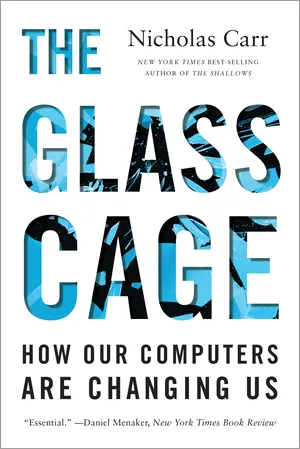
- The Glass Cage: Automation and Usby Nicholas Carr
- The Morning After: The 1995 Quebec Referendum and the Day that Almost Wasby Chantal Hébert
- How to Hide an Empire: A History of the Greater United Statesby Daniel Immerwahr
- The Problem of Twelve: When a Few Financial Institutions Control Everythingby John Coates
- La Cheffe, roman d'une cuisinièreby Marie NDiaye
- How Things Are Made: A Journey Through the Hidden World of Manufacturingby Tim Minshall
- My Fourth Time, We Drowned: Seeking Refuge on the World's Deadliest Migration Routeby Sally Hayden
- Shade: The Promise of a Forgotten Natural Resourceby Sam Bloch
- Stagestruck: Theater, AIDS, and the Marketing of Gay Americaby Sarah Schulman
- What Tech Calls Thinking: An Inquiry into the Intellectual Bedrock of Silicon Valleyby Adrian Daub
- 38 Londres Street: On Impunity, Pinochet in England, and a Nazi in Patagoniaby Philippe Sands
- Phantom Plague: How Tuberculosis Shaped our Historyby Vidya Krishnan
- Aux origines de la social-démocratie québécoise: Le Conseil des métiers et du travail de Montréal (1897-1930)by Jacques Rouillard
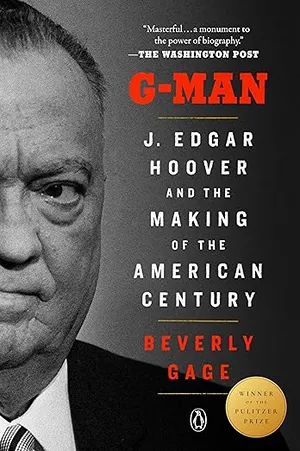
- G-Man: J. Edgar Hoover and the Making of the American Centuryby Beverly Gage
- Paris 1961: les Algériens, la terreur d'Etat et la mémoireby Jim House and Neil MacMaster
- Power Games: A Political History of the Olympicsby Jules Boykoff
- Searches: Selfhood in the Digital Ageby Vauhini Vara
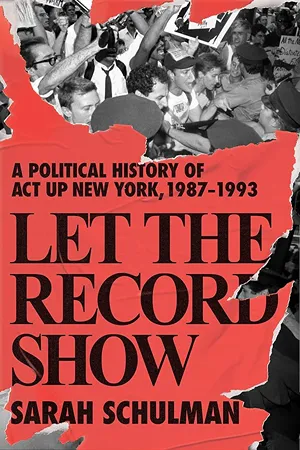
- Let the Record Show: A Political History of ACT UP New York, 1987-1993by Sarah Schulman
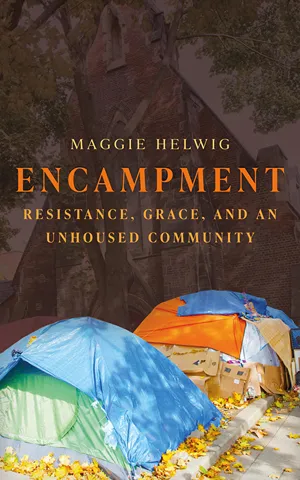
- Encampment: Resistance, Grace, and an Unhoused Communityby Maggie Helwig
- Dark Pools: High-Speed Traders, AI Bandits, and the Threat to the Global Financial Systemby Scott Patterson